29 Oct 2026
Gender and Intersectionality: Research, Education, and Civil Society Engagement
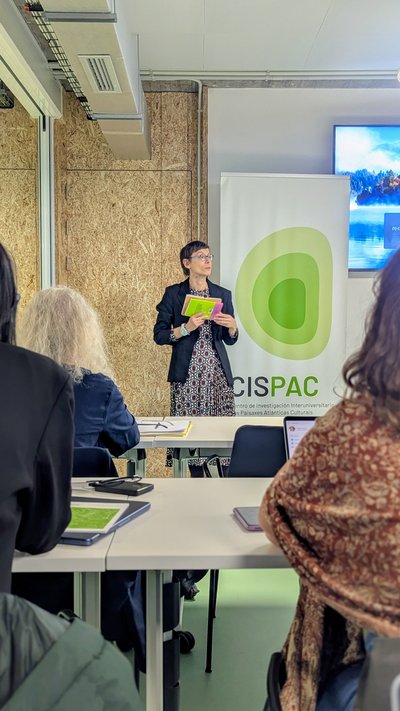
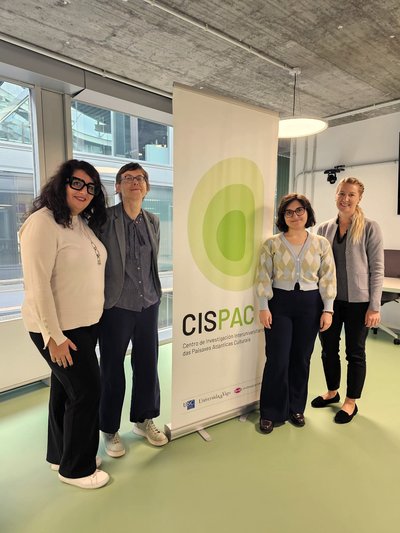
On October 22–23, 2026, the World Trade Institute (WTI), together with the Faculty of Law of the University of Bern and the Radical Environmental Humanities Hub of the Interuniversity Research Centre for Atlantic Cultural Landscapes (CISPAC) at the University of Santiago de Compostela, co-organized the international conference Gender and Intersectionality: Research, Education, and Civil Society Engagement in Santiago de Compostela, Spain.
The conference provided an opportunity to exchange research findings, share practical experiences, and explore how academia and civil society can contribute to addressing gender inequalities.
Over two days, researchers, educators, and practitioners examined the connections between gender, climate change, migration, international trade, education, human rights, and social justice. Through presentations of ongoing research and initiatives, participants explored how environmental crises and social inequalities affect different groups in different ways. Discussions also emphasized the importance of recognizing care work and addressing its unequal distribution.
A roundtable on The Role of Academia in Strengthening Gender Diversity focused on the responsibilities of universities in fostering inclusive environments, supporting diverse career paths, and promoting gender equality in research and teaching.
The second day highlighted educational initiatives aimed at translating research into practice, including the WTI's Know the Gap! gender activities and the University of Bern's Better Science initiative. Participants also heard a presentation from the European Research Council Executive Agency on the role of equality, diversity, and inclusion in research, alongside an introduction to the University of Santiago de Compostela's master's program, Máster en Igualdade, Xénero e Educación.
Several research projects were presented during the conference, including the Swiss National Science Foundation (SNSF) Consolidator Grant project Resisting Human Erosion, led by Prof. Fornalé, and two projects led by Prof. Armiero: the Belmont Forum project Whispers of Time and the European Research Council (ERC) Advanced Grant project The Catholic Church and the Environment (CATCH). These presentations offered further perspectives on the relationships between environmental change, social inequalities, and gender.
The conference concluded with the launch of the edited volume The Building Blocks of Gender Studies: International and European Pathways to Equality, which will be available as an open-access publication through Editoriale Scientifica.
Beyond the individual presentations, the conference created opportunities for researchers and practitioners to exchange ideas, establish new connections, and explore future collaborations. Bringing together participants from Europe and beyond, the event underscored the value of working across disciplines and institutions to better understand gender inequalities and develop approaches to addressing them.